

The Historical Significance of Loteria
Loteria is not just a game; it’s a cultural touchstone deeply ingrained in the communities that play it. Originating in Italy in the 15th century, the game made its way to Mexico, undergoing various cultural adaptations to become what it is today—a beloved pastime that blends art, culture, and competition.
The Evolution of Loteria
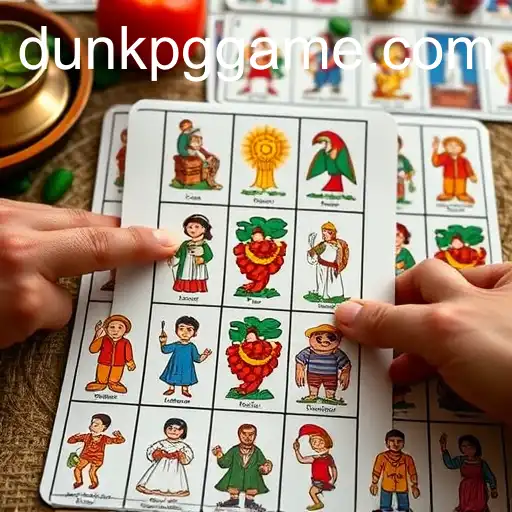
When discussing the origin of Loteria, it’s essential to recognize its Italian roots. The game, originally a lottery, provided the foundation for a game that embodies chance and skill. As it traveled to Mexico, the game transformed, integrating local culture into its fabric. Each card in the Mexican version features rich, colorful illustrations depicting various characters and objects, and the traditional Spanish names give each card its unique personality.
Understanding the Gameplay
For centuries, Loteria has been a simple yet engaging game. Played similarly to bingo, each player is given a board with a unique 4x4 grid of images drawn from a pool of 54 distinct cards. Players mark their boards using beans or markers as the announcer calls out the card names. The first player to complete a row, column, or diagonal wins by shouting “Loteria!”
This straightforward gameplay allows players of all ages to engage with the game while fostering community and familial bonds. The highly visual nature of the game makes it accessible, irrespective of literacy or language barriers, offering an inclusive experience.R7.BET
The Cultural Impact of Loteria
Loteria’s cultural significance extends beyond leisure. It serves as a medium for storytelling, a way to pass down culture, traditions, and language. Each card tells a story or represents a cultural nuance. For instance, cards like “La Dama” and “El Catrin” offer a glimpse into social hierarchies, while “El Sol” and “La Luna” speak to the natural elements valued in Mexican culture.
6HHBeyond home settings, Loteria frequently makes appearances at festivals, schools, and community events, often used to teach Spanish or provide a deeper understanding of Mexican heritage. It facilitates cultural dialogue, promoting a collective memory and reinforcing cultural bonds among community members.
Loteria’s Artistic Value
DUNKPGThe cards are a testament to the artistry embedded in Mexican culture. Each card is a miniature artwork, reflecting a distinctive style that incorporates elements of folklore and traditional Mexican art. These images are more than just visual cues; they’re pieces of art that capture the essence of Mexican life and traditions. Collectors often seek vintage Loteria sets for their artistic and historical value, viewing them as cultural artifacts.
KK500Modern Adaptations and Trends
In recent years, Loteria has experienced a resurgence in popularity, inspiring artists to reinterpret the classic cards to reflect contemporary issues, social commentary, or personal expression. Modern decks feature variations that can include anything from political themes to pop culture references, keeping the game relevant in today’s quickly evolving cultural landscape.
Businesses have also recognized the commercial potential of Loteria, launching branded versions of the game that intersect with marketing campaigns or promotional activities. This not only revitalizes interest but also allows the game to reach new audiences globally.
The Role of Technology in Reviving Loteria
Incorporating technology into Loteria has further expanded its reach. Various mobile apps and online platforms have emerged, allowing users to play Loteria digitally. This digital transformation ensures the game’s accessibility for tech-savvy younger generations while maintaining the game’s core imagery and spirit.ERAJOGO
Conclusion
Loteria’s longevity and adaptability highlight its significance beyond mere entertainment. As a constantly evolving cultural treasure, it serves both as a fun game and a vital means of preserving and transmitting cultural heritage. Whether through traditional play, modern artistic reinterpretations, or digital arenas, Loteria remains interwoven into the cultural tapestry of communities worldwide.